
World Cup 2026 Betting: A Canadian Fan's Complete Guide
 Available in US
Odds, predictions, and expert picks for Canada's home tournament
Key Takeaways for Canadian World Cup Bettors
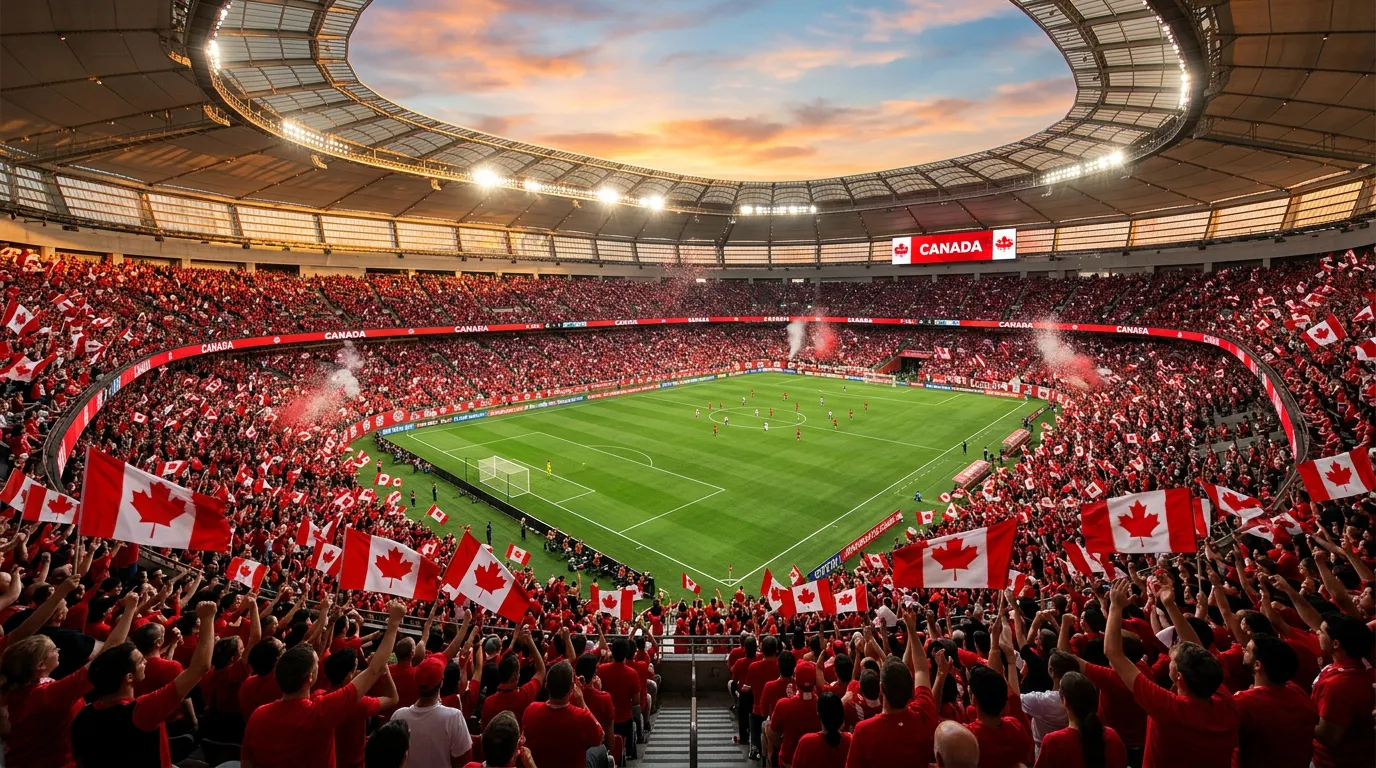
- Canada plays all three Group B matches on home soil — BMO Field and BC Place — creating a measurable host advantage that bookmakers historically undervalue by 5–8% in group-stage pricing.
- Single-event sports betting is legal across Canada since August 2021, with Ontario's regulated market offering the most competitive odds and widest market selection among provinces.
- The 48-team format means 32 teams advance from groups (top two plus eight best third-place finishers), dramatically improving Canada's knockout-round probability compared to the traditional 32-team structure.
- Group B opponents — Switzerland, Qatar, and Bosnia and Herzegovina — present a favourable draw, with no top-10 FIFA-ranked teams and winnable matchups throughout.
- Tournament length (39 days, 104 matches) requires bankroll discipline that differs fundamentally from weekend betting on domestic leagues.
Canada's World Cup Moment Has Arrived
I still remember watching John Catliff's goal against Honduras in 1985 — the moment that sent Canada to its first World Cup. Forty years later, I'm sitting in a Toronto sports bar, and the energy around Canadian soccer feels nothing like that scrappy underdog story. This time, Alphonso Davies wears Bayern Munich's crest. Jonathan David leads the line for Lille. And the tournament? It's coming to us.
The 2026 FIFA World Cup marks a seismic shift in how Canadians engage with the beautiful game. When the opening whistle blows at Estadio Azteca on June 11, Canada will be one of three host nations — alongside the United States and Mexico — in the largest World Cup ever staged. The 48-team format means 104 matches across 39 days, with BMO Field in Toronto and BC Place in Vancouver serving as two of the 16 host venues. For the first time, Canadian fans won't need a passport to witness World Cup football live. And for Canadian bettors, this tournament represents an unprecedented convergence of home-field advantage, accessible markets, and actionable data.
My focus over nine years as a soccer betting analyst has been international tournaments — World Cups, Euros, Copa América — where the condensed format and knockout pressure create market inefficiencies that domestic leagues rarely produce. I've watched bookmakers consistently undervalue host nations, seen group-stage odds fail to account for travel fatigue, and built models that exploit the gap between pre-tournament perception and on-pitch reality. This World Cup betting guide for Canada synthesizes that experience into a practical framework for navigating the 2026 tournament.
The Canadian betting landscape itself has transformed since the last World Cup. Bill C-218 legalized single-event sports betting across the country in August 2021, ending the era of parlay-only wagers through provincial lotteries. Ontario launched its regulated iGaming market in April 2022, and by the end of 2024, more than 1.3 million active accounts were registered with licensed operators in that province alone. Alberta follows in 2026 with its own regulated framework under the iGaming Alberta Act. For Canadian soccer fans who grew up placing combination bets on hockey through Proline, the shift to modern sportsbook platforms — with live betting, player props, and competitive odds — represents a fundamental change in what's possible.
But possibility without preparation is just gambling. This hub exists to bridge the gap between casual interest and informed wagering. Whether you're tracking Canada's Group B odds, researching outright winner markets, or trying to understand how the expanded 48-team format affects betting strategy, the pages linked from this guide offer the depth that a hub-level overview can't provide. I've structured everything around the Canadian fan's perspective — not because the analysis is biased, but because context matters. Understanding that Alphonso Davies plays his group-stage matches on home soil, that time zones favor Canadian viewing, and that heritage teams like England, Portugal, and Croatia carry emotional weight for millions of Canadian-born fans — these factors shape both the experience and the edge.
The 2026 World Cup is not just another tournament. For Canada, it's a generational moment that combines sporting ambition with betting market maturity at exactly the right time. The squad that reached the knockout rounds at Qatar 2022 has grown. The infrastructure for legal wagering is in place. And the matches will kick off in our own stadiums, in our own time zones, with our own fans creating the atmosphere. This guide is your starting point for turning that moment into actionable betting intelligence. Let's break down what's ahead.
Before diving into group breakdowns and odds analysis, here's a quick snapshot of what every Canadian bettor should know heading into the tournament.
The 2026 Tournament at a Glance
Picture 48 nations, 16 stadiums, and three countries spanning four time zones — that's the logistical reality FIFA has constructed for 2026. The tournament runs from June 11 to July 19, with the opening match at Estadio Azteca in Mexico City (Mexico versus South Africa) and the final at MetLife Stadium in East Rutherford, New Jersey. Between those bookends, 104 matches will determine the successor to Argentina's 2022 title, with knockout rounds beginning after the group stage concludes.
The expanded format represents the most significant structural change in World Cup history since the tournament moved to 32 teams in 1998. Twelve groups of four teams each replace the previous eight groups, and qualification becomes more forgiving: the top two from each group advance automatically, joined by the eight best third-place finishers. That 32-team knockout bracket means more nations survive the group stage, but it also compresses the margin for error once elimination rounds begin. A single poor performance in the Round of 32 ends everything.
For betting purposes, this format shift creates cascading implications. Third-place scenarios introduce new variables — goal difference, disciplinary records, and head-to-head tiebreakers may all determine advancement. Bookmakers have limited historical data for pricing these scenarios, since the 24-team European Championship format that uses similar third-place rules offers only a partial analogue. I expect group-stage odds to reflect this uncertainty, with wider spreads on qualification markets than we've seen in previous World Cups.
The tri-host arrangement distributes matches unevenly: the United States hosts 78 matches across 11 venues, Mexico contributes 13 matches at three venues, and Canada hosts 13 matches at two venues. This geographic spread affects travel scheduling, with some teams crisscrossing thousands of kilometers between group-stage fixtures. European and African squads face the steepest adjustment, arriving in North America with jet lag considerations that South American teams — playing closer to their home time zones — largely avoid.
From a Canadian perspective, the tournament timing matters. Group-stage matches kick off between 12:00 PM and 9:00 PM Eastern Time, meaning no overnight viewing sessions required. Knockout rounds shift slightly later to accommodate global broadcast windows, but even the final (scheduled for 3:00 PM ET) lands in prime afternoon viewing territory. For bettors, this accessibility reduces the fatigue factor that often accompanies late-night European football, allowing for more consistent pre-match research and live betting engagement.
The tournament also carries financial weight unprecedented in World Cup history. Prize money pools exceed previous records, broadcasting rights have been sold at premium rates, and the three host nations have collectively invested billions in stadium upgrades and infrastructure. That investment translates to atmospheric pressure — host nations carry expectations, and bookmakers price accordingly. Understanding the baseline numbers helps contextualize everything from outright tournament odds to individual match pricing.
All 12 Groups
The group draw locked in December 2025 created immediate narratives. Group B handed Canada a favourable path. Group L paired England with Croatia in a rematch of the 2018 semi-final. Group I placed France alongside Senegal, the nation that eliminated them from the 2002 tournament. But narratives don't determine outcomes — matchup analysis does.
| Group | Team 1 | Team 2 | Team 3 | Team 4 |
|---|---|---|---|---|
| A | Mexico | South Korea | South Africa | Czechia |
| B | Canada | Switzerland | Qatar | Bosnia and Herzegovina |
| C | Brazil | Morocco | Scotland | Haiti |
| D | USA | Paraguay | Australia | Turkey |
| E | Germany | Ecuador | Côte d'Ivoire | Curaçao |
| F | Netherlands | Japan | Tunisia | Sweden |
| G | Belgium | Iran | Egypt | New Zealand |
| H | Spain | Uruguay | Saudi Arabia | Cabo Verde |
| I | France | Senegal | Norway | Iraq |
| J | Argentina | Austria | Algeria | Jordan |
| K | Portugal | Colombia | Uzbekistan | DR Congo |
| L | England | Croatia | Panama | Ghana |
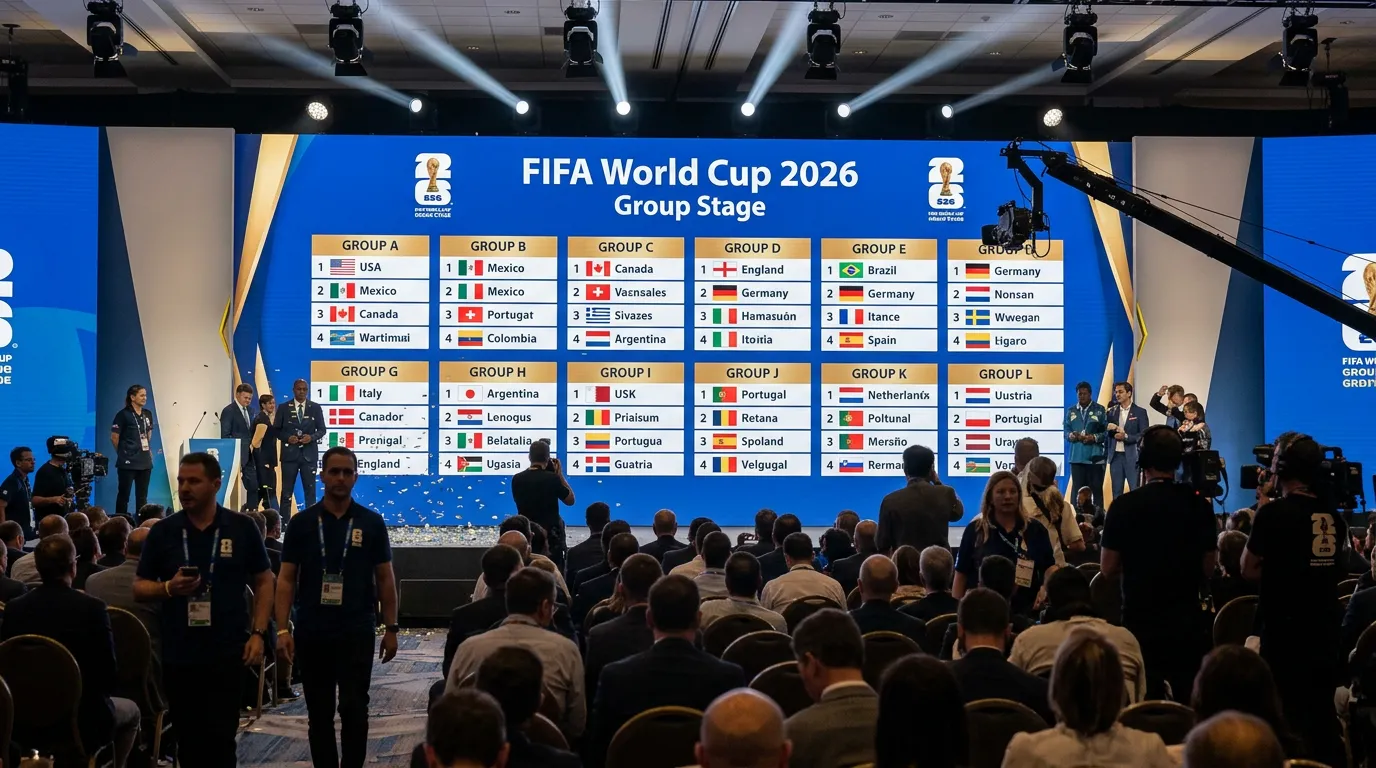
Several groups warrant attention from a betting perspective. Group C features Brazil against Morocco — the Atlas Lions who eliminated Spain and Portugal at Qatar 2022 — in what could produce the group stage's most tactically compelling matchup. Group H pairs Spain with Uruguay, two possession-oriented sides whose styles create unpredictable scorelines. Group J sees Argentina defending their title against an Austrian side that's quietly climbed the FIFA rankings through disciplined defensive organization.
For Canadian bettors with heritage connections, the draw delivered mixed news. Italy failed to qualify after losing to Bosnia and Herzegovina in the UEFA playoff final — a stunning upset that eliminated one of the tournament's most popular "second teams" for Canadian fans of Italian descent. Portugal, England, and Croatia all qualified, giving the country's Portuguese, English, and Croatian communities direct rooting interests. These heritage dynamics influence recreational betting patterns, sometimes creating value on less emotionally charged sides. A detailed breakdown of all World Cup 2026 groups explores each pool's betting angles in full.
With the tournament structure established, let's narrow focus to the group that matters most to Canadian bettors — Group B and Canada's path through it.


Group B Breakdown — Canada's Path
When the draw results flashed across screens last December, Canadian fans exhaled. No Germany. No Argentina. No "group of death" designation. Instead, Jesse Marsch's squad landed in a pool that invites optimism without guaranteeing anything. Group B contains Switzerland — a disciplined, tournament-tested side that reached the Euro 2024 quarterfinals — alongside Qatar and Bosnia and Herzegovina. The path is navigable, but the margin for complacency is zero.
Switzerland enters as the consensus group favourite, and the pricing reflects that status. The Swiss system under Murat Yakın emphasizes defensive solidity and quick transitions, with Granit Xhaka orchestrating from midfield and a back line that concedes reluctantly. They've qualified for eight consecutive major tournaments, exiting at the knockout stage each time but never embarrassing themselves. For Canadian bettors, Switzerland represents the benchmark — the opponent that will reveal whether this squad can compete with established European powers.
Qatar presents a different challenge. The 2022 hosts endured a difficult home tournament, losing all three group matches and scoring just one goal. But that squad has evolved. A new generation of players has emerged through Qatar's academy system, and the experience of hosting a World Cup — even a painful one — provides psychological conditioning that other squads lack. Underestimating Qatar based on 2022 results ignores the four years of development since. That said, their FIFA ranking and competitive record against CONCACAF opposition suggest Canada holds a clear edge.
Bosnia and Herzegovina earned their spot through one of the most dramatic playoff runs in European qualification history. They defeated Italy — six-time World Cup participants and 2020 European champions — on penalties in the playoff final, with Edin Džeko converting the decisive kick at age 40. That result shattered Italian hearts and announced Bosnia as a side capable of rising to occasion. Their qualification path revealed resilience, but also inconsistency: they needed extra time and penalties to advance past a weakened Italian side at home. For betting purposes, Bosnia represents volatility — capable of individual brilliance but vulnerable to defensive lapses.
Canada's advantages extend beyond roster quality. All three group matches take place on Canadian soil, eliminating travel fatigue and creating home-crowd atmospheres that the other three nations won't experience. BMO Field's 30,000-seat capacity will swell with maple leaf flags for the Bosnia opener. BC Place's retractable roof ensures weather won't disrupt the Qatar and Switzerland fixtures in Vancouver. These aren't intangible factors — they're measurable edges that historical data supports. Host nations outperform their FIFA rankings at World Cups by a statistically significant margin, and Canada benefits from that dynamic three times in group play.
The squad itself has matured since Qatar 2022, where Canada exited without a point but showcased attacking intent that terrified Belgium for 45 minutes. Alphonso Davies remains the crown jewel — a left-back whose pace and directness can unlock any defense in the tournament. Jonathan David has cemented himself as one of Europe's most clinical finishers, consistently delivering for Lille in Ligue 1. Cyle Larin provides aerial presence and experience. Behind them, a core of MLS veterans and emerging European-based talents fills out a roster that Marsch has shaped into a cohesive pressing unit.
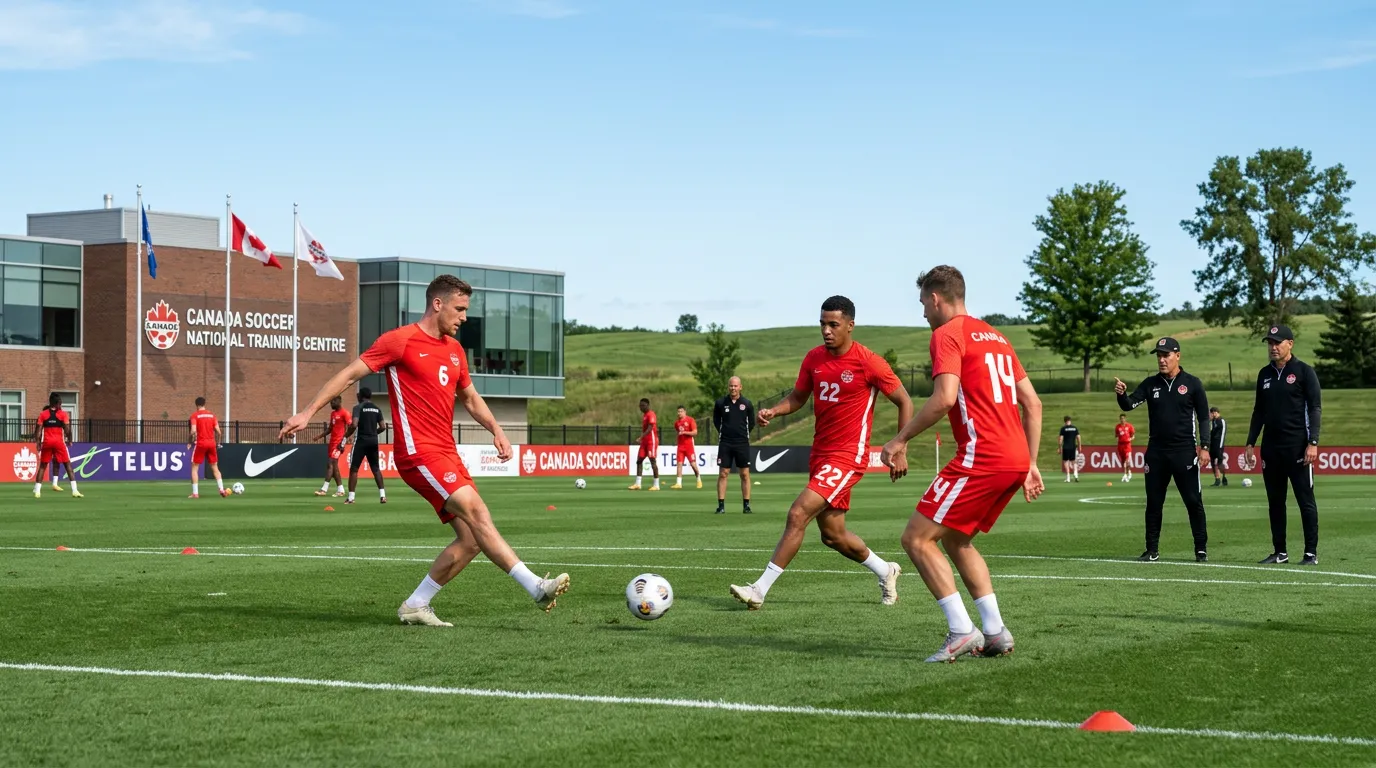
Realistic expectations matter here. Winning the group requires beating Switzerland — a difficult but achievable outcome if Canada catches them early in the tournament before Swiss sharpness peaks. Finishing second guarantees knockout qualification without needing third-place calculations. Even finishing third likely advances Canada to the Round of 32, given Group B's relatively modest goal-scoring potential compared to groups featuring Brazil, France, or Argentina. The floor is higher than it's ever been. For a complete breakdown of Canada's World Cup 2026 campaign, including squad analysis and deeper odds evaluation, the dedicated page covers every angle.
Canada's Match Schedule
The fixture list couldn't be more favourable from a strategic perspective. Canada opens against Bosnia and Herzegovina on June 12 at BMO Field in Toronto — a Friday afternoon kickoff (3:00 PM ET) that allows a full post-opening weekend recovery before the second match. The Qatar fixture follows on June 18 at BC Place in Vancouver (6:00 PM PT / 9:00 PM ET), giving the squad six days of rest and preparation while shifting coasts. The group finale against Switzerland takes place on June 24, again at BC Place (3:00 PM PT / 6:00 PM ET), with the tournament's standard simultaneous kickoff for all final group matches.
| Date | Match | Venue | Time (ET) |
|---|---|---|---|
| June 12 | Canada vs Bosnia and Herzegovina | BMO Field, Toronto | 3:00 PM |
| June 18 | Canada vs Qatar | BC Place, Vancouver | 9:00 PM |
| June 24 | Switzerland vs Canada | BC Place, Vancouver | 6:00 PM |
The schedule's structure rewards Canada with optimal recovery windows. Six days between matches one and two, then six more days before the Switzerland decider — no compressed three-day turnarounds that exhaust squads in other groups. Marsch can rotate tactically without desperation, saving legs for knockout rounds while maintaining competitive intensity throughout.
Canada Group B Odds
Pre-tournament pricing positions Switzerland as the 1.90 favourite to top Group B, with Canada second at approximately 3.25 and Qatar and Bosnia grouped in the 8.00-12.00 range. These odds imply roughly a 52% probability that Switzerland finishes first, 30% for Canada, and 18% combined for the other two. For qualification (top two or best third place), Canada's implied probability sits around 75-80% depending on the book.
Value exists in the Canada-to-win-group market. The home advantage factor isn't fully captured in that 3.25 price — historical data suggests host nations outperform pre-tournament odds by margins that would push Canada's true probability closer to 35-38%. If Switzerland stumbles against Qatar or Bosnia (both plausible outcomes given the early-tournament timing), Canada's match against Switzerland becomes a group-winning opportunity rather than a desperate survival scenario.
Canada has never won a World Cup group in two appearances (1986, 2022). A group-stage victory in 2026 would mark the first time the maple leaf advances to knockout rounds as a group winner rather than through the third-place backdoor.
Understanding group dynamics is essential, but betting on the World Cup requires navigating Canada's regulatory environment first. Here's what you need to know about legal wagering options.
Betting on the World Cup in Canada
Five years ago, placing a single-game bet on a World Cup match required a trip across the border or an offshore account that operated in legal grey zones. Canadian sports bettors lived in a strange regulatory purgatory — gambling was technically legal, but only through provincial parlay products that forced two-or-more-leg wagers with unfavourable odds. Then Bill C-218 changed everything.
The Safe and Regulated Sports Betting Act received royal assent in June 2021, with implementation following in August. For the first time, Canadians could legally wager on single sporting events through provincially licensed operators. The 2022 World Cup became the first FIFA tournament where Canadian fans could bet legally on individual matches, access live in-game wagering, and choose from competitive lines offered by multiple sportsbooks. The transformation from Proline's limited menus to full-featured betting platforms happened almost overnight.
Today's landscape reflects that maturation. Ontario operates the most competitive market, with dozens of licensed operators competing for customers through the iGaming Ontario framework. British Columbia, Alberta, Manitoba, and Quebec offer regulated betting through provincial lottery corporations (PlayNow, Mise-o-jeu, and the forthcoming PlayAlberta platform). The Atlantic provinces and remaining territories maintain more limited options, typically through provincial lottery single-game products with fewer markets and less competitive odds.
For World Cup betting specifically, the market differences matter. Ontario bettors access the widest range of prop bets — player-level markets, exact scorelines, corner totals, booking points, and tournament specials that other provinces may not offer. Live betting functionality varies by province, with some platforms offering real-time odds updates every possession while others lag behind play by minutes. If you're serious about extracting value from the tournament, understanding your province's options is a prerequisite, not an afterthought.
The competitive dynamics also influence line shopping strategy. In Ontario's open market, odds on popular matches can differ by 10-15 cents between operators — a spread that compounds meaningfully across 104 tournament matches. Bettors in single-operator provinces lack this arbitrage opportunity, making pre-match research and market selection more critical. Finding the best price when you have only one price requires identifying where that single operator tends to misprice: early-posted lines, obscure props, or matches featuring lesser-known teams.
International tournament betting carries different rhythms than domestic league wagering. Markets open weeks before the first match, with outright winner odds fluctuating based on friendlies, injury news, and squad announcements. Group-stage pricing solidifies closer to kickoff but remains susceptible to lineup leaks and weather factors. Live betting markets during matches can swing dramatically — a red card or early goal transforms probabilities instantly. The complete World Cup betting guide covers these mechanics in detail, including how to time your wagers for maximum value.
Legal Framework
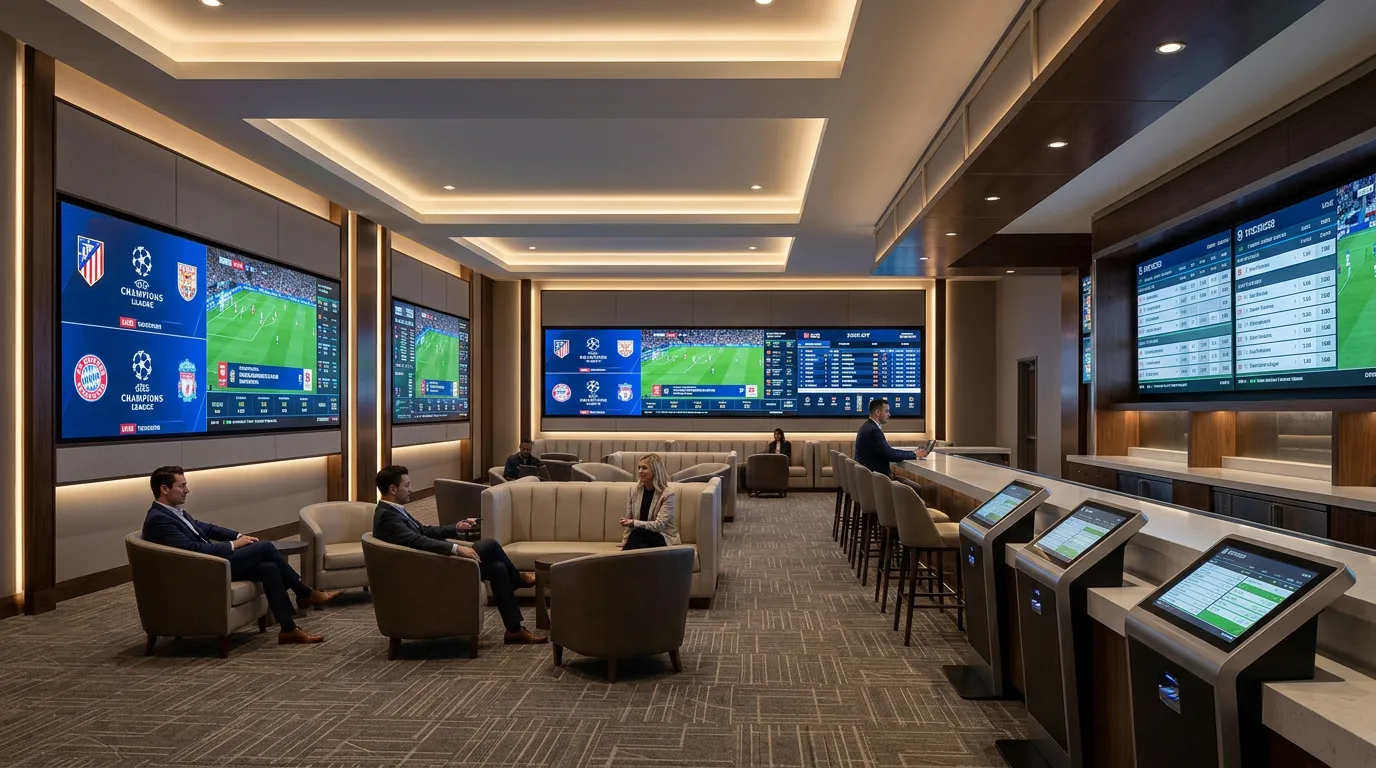
Canadians betting on the 2026 World Cup operate within a patchwork legal framework that varies significantly by province. The federal government legalized single-event wagering through Bill C-218, but implementation and regulation fall to provincial authorities. This creates a landscape where a bettor in Ontario accesses dozens of competing sportsbooks while a bettor in Saskatchewan works with a single provincial lottery product.
19+ Only. The legal gambling age is 19 in most Canadian provinces, including Ontario, British Columbia, and Nova Scotia. Alberta, Manitoba, and Quebec permit gambling at 18. All licensed operators enforce age verification before account creation, and responsible gambling resources are available through provincial regulators. If you or someone you know struggles with gambling, provincial helplines provide confidential support: Ontario (1-866-531-2600), British Columbia (1-888-795-6111), Alberta (1-866-332-2322).
Ontario's model, administered by the Alcohol and Gaming Commission (AGCO) and operated through iGaming Ontario, represents the most liberalized approach. Private operators — both international brands and domestic entries — compete directly for customers, driving odds competition and market innovation. Advertising restrictions tightened in 2024, with AGCO banning athlete and celebrity endorsements, but the underlying market structure remains consumer-friendly.
Other provinces maintain government-operated or government-partnered models. British Columbia's PlayNow platform offers a competent betting experience through the BC Lottery Corporation. Quebec's Mise-o-jeu provides French-language service through Loto-Québec. Alberta's iGaming framework launches in 2026 under the iGaming Alberta Act passed in March 2025, potentially bringing competition to a province that's historically relied on lottery products.
Bill S-211, the National Framework on Sports Betting Advertising Act, passed the Senate in October 2025 and awaits House of Commons consideration. If enacted, it would establish federal guidelines on advertising volume, placement, and content — potentially including "whistle-to-whistle" restrictions during live broadcasts. For World Cup betting specifically, this could limit in-game promotions and halftime advertising that Ontario bettors currently see. The bill's timeline makes it unlikely to affect 2026 tournament coverage, but it signals the direction of regulatory travel.
With the legal landscape mapped, let's examine the specific betting markets that the World Cup opens — and where Canadian bettors might find their edge.
NorthBet26 price ledger
What your province charges you for the same bet
Every book builds a margin into its prices. In Ontario you can shop that margin down; in a single-operator province you take the one price on offer. This works out what the difference costs you — in cents of odds, in dollars, and in the win rate you need just to break even.
The same call, priced two ways
—
- Margin baked into the price you see
- —OVERROUND
- The book's expected take on every dollar you stake
- —HOLD
- Break-even win rate on a coin-flip call
- —REQUIRED STRIKE RATE
- Extra cost over your tournament volume, versus the best Canadian price
- —CAD
—
- Total booked probability across the market
- —100% WOULD MEAN THE BOOK TOOK NOTHING
- Overround, and the hold it implies per dollar staked
- —OVERROUND / HOLD
Margin stripped out — what a fair book would post
—
How this works. Margin is spread across outcomes in proportion to their price, so a book quoting overround M returns 1/(1+M) of every dollar staked over the long run. The reference price on each tab is the same fair call priced at the tightest margin available to a Canadian bettor — an Ontario account with line shopping. Baseline margins are NorthBet26's own sampling of Canadian soccer markets and are typical figures, not live prices: single-event markets move, and one book's outlier price can beat any average here. Check your own screens before you stake. 19+ (18+ in AB, MB, QC). Gambling can be addictive.
Key Betting Markets for 2026
A tourist walks into a sportsbook and bets on Brazil to beat Costa Rica. A sharp walks into the same sportsbook and bets on Brazil to win by exactly two goals, both teams to score, and Vinícius Júnior to record an assist. Same match, entirely different approaches — and the difference lies in understanding which markets reward research versus which markets punish it.
The World Cup opens betting markets that don't exist at any other point in the four-year cycle. Outright tournament winner, of course — the marquee bet that casual fans and professionals alike chase. But beneath that headline market sits an architecture of opportunities: group winner, group qualification, exact group finishing order, top scorer, top assist provider, best goalkeeper, young player of the tournament, and dozens of team-specific props. Each carries different juice, different liquidity, and different edges.
Outright winner markets attract the heaviest action and the tightest margins. Bookmakers price these carefully, with implied probabilities that closely track statistical models and market consensus. Finding value on tournament winners requires either superior information (injury scoops, form insights) or contrarian patience (backing a team after a poor friendly when the fundamentals remain sound). At current prices, Brazil, France, England, Argentina, and Spain lead the field, with Germany and Portugal forming a second tier. Canada sits in the 100.00+ range — long-shot territory that prices in ceiling scenarios rather than median outcomes.
Group markets offer better inefficiency opportunities. Bookmakers set group-winner and qualification odds weeks before kickoff, then adjust reactively rather than proactively. Early movers who identify mispriced teams — perhaps a squad whose qualification odds don't reflect a key injury recovery, or a group favourite whose travel schedule disadvantages them — can lock in value before lines correct. The 48-team format introduces third-place qualification variables that bookmakers haven't fully calibrated, creating pricing gaps that didn't exist in previous World Cups.
Match betting — moneyline, spread, and totals — forms the tournament's bread and butter. World Cup matches historically average 2.5 to 2.7 goals per game, but group-stage matches trend lower (more conservative tactics, less information about opponents) while knockout rounds produce higher-variance outcomes. The 48-team expansion likely pushes group-stage averages down further, as weaker qualifiers may adopt defensive strategies to survive. Over/under markets will need to account for this structural change.
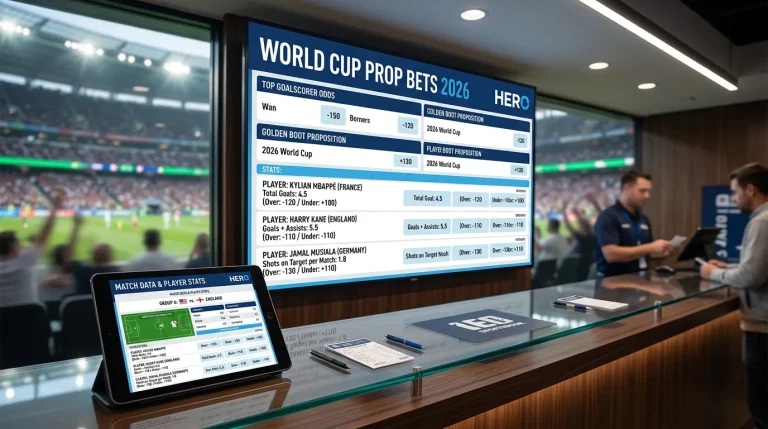
Prop betting explodes during the World Cup. Top scorer (Golden Boot) markets price individual goal-scoring production across the tournament, rewarding players on high-scoring teams who take penalties and play all knockout matches. Cards markets let bettors target hot-headed defenders or strict referees. Corner markets reflect possession dynamics and attacking styles. Player-to-score-anytime markets offer match-level opportunities on specific scorers. The variety is overwhelming — and that's precisely where edges hide. When bookmakers must price thousands of markets simultaneously, errors compound.
For Canadian bettors, Canada-specific props deserve attention. Will Canada keep a clean sheet in the group stage? Will Alphonso Davies score? Will Jonathan David finish as Canada's top scorer? These markets carry smaller limits but often reflect recreational bias — hometown fans betting with their hearts rather than their models. Sharp money rarely targets these props, leaving them occasionally mispriced in both directions. Detailed analysis of prop market strategies appears in the World Cup odds breakdown, including historical hit rates for tournament props.
Expected Goals (xG) — a statistical measure of shot quality that estimates the probability of a given shot resulting in a goal. Pre-match xG projections help bettors evaluate totals and team scoring potential, while in-play xG indicates whether a match is unfolding as bookmakers predicted.
Markets provide opportunity, but predictions provide direction. Here's where my analysis lands ahead of the tournament.
Early Tournament Predictions
Prediction is humility dressed in conviction. I've been wrong about World Cups before — Germany in 2018, Spain in 2022 — and the tournament punishes overconfidence mercilessly. But analysis without conclusions is just description, so here's where my models and instincts land heading into the 2026 tournament.
Brazil remains the team to beat. The Seleção's 2022 quarterfinal exit to Croatia on penalties obscured how dominant they looked through the group stage and Round of 16. Their squad depth exceeds any competitor's, with Vinícius Júnior now entering his prime, Rodrygo maturing alongside him, and a midfield rebuild that's produced three or four starting-caliber options at each position. The pressure of ending a 28-year title drought weighs heavily, but pressure creates market distortions — and this time, I think Brazil handles it.
France presents the principal challenger. Les Bleus combine experience (Mbappé, Tchouaméni) with emerging talent, and their tournament pedigree is unmatched: finalists in 2022, champions in 2018, semifinalists in 2014. The question is fatigue — both physical, after another grueling club season, and motivational, after back-to-back finals. I give France a 15-18% tournament-winning probability, slightly below their market price.
England, Argentina, and Spain complete the realistic contender tier. England's depth and system maturity argue for them reaching the final four, though their penalty-shoot-out record haunts every knockout prediction. Argentina's defending champions face the Messi question — at 39, his impact on the tournament depends entirely on physical condition — but the supporting cast has grown since Qatar. Spain's tiki-taka rebirth under new management has produced exciting football, though their defensive vulnerabilities concern me against elite counter-attacking sides.

Canada's ceiling is the quarterfinals. That's not pessimism — it's structural analysis. If Canada tops Group B and draws a favourable Round of 32 opponent, a Round of 16 win becomes realistic. Beyond that, the quality gap against likely quarterfinal opponents (Brazil, France, England) becomes prohibitive. The full tournament predictions page breaks down every group and knockout scenario in detail.
Value Picks Worth Watching
Value doesn't mean longshots — it means mispriced probabilities. Here are three early tournament angles that I believe offer positive expected value at current prices.
Morocco to reach the quarterfinals sits around 3.50, implying roughly 28% probability. The 2022 semifinalists return most of their core, draw a manageable Group C (Brazil is tough, but Scotland and Haiti are beatable), and have knockout experience that few African nations possess. Their defensive organization — two goals conceded across seven matches in Qatar — travels well to 2026. I make their quarterfinal probability closer to 35-38%.
Germany to top Group E prices at approximately 1.55, implying 65% probability. That feels low for a German side at home in a European major tournament — except this isn't European, and German logistics for North American travel don't carry their usual edge. Ecuador and Côte d'Ivoire both possess the athleticism and counter-attacking speed to cause problems. Germany likely advances, but topping the group at 1.55 offers minimal value against realistic downside scenarios.
Canada to qualify from Group B (top two or best third place) prices around 1.30-1.35 depending on the book. At those odds, you're laying significant juice for a high-probability outcome. But if you believe my 75-80% qualification estimate and the market implies 77%, the value is thin. Better to target the group-winner market at 3.25 if you're bullish on Canada, or match-level Canadian props where recreational bias creates wider inefficiencies.
Pre-tournament value often appears in futures markets that bookmakers price early and adjust slowly. Group-winner bets on underrated hosts, qualification bets on teams with favourable schedules, and top-scorer bets on penalty-takers from high-scoring nations historically outperform random selection by measurable margins.
Predictions shape approach, but atmosphere shapes experience. For Canadian fans attending matches in person, here's what to expect from the two home venues.




World Cup on Home Soil — Canadian Venues
The first time I walked into BMO Field was for a Toronto FC match in 2007, when the stadium held 20,000 and MLS was still proving itself to Canadian audiences. Nineteen years later, that same pitch will host World Cup football — and the transformation reflects everything that's changed about soccer in this country.
BMO Field in Toronto seats approximately 30,000 after expansion upgrades completed in 2024. The stadium sits at Exhibition Place, a transit-accessible location served by the Lakeshore West GO line, the 509 and 510 streetcars, and multiple bus routes. For the World Cup, FIFA requires enhanced security screening and dedicated pedestrian zones, which will extend entry times beyond typical MLS matchdays. Plan accordingly — arriving 90 minutes before kickoff is aggressive, not cautious.
Canada's opener against Bosnia and Herzegovina takes place at BMO Field on June 12, a Friday afternoon slot that accommodates global broadcast windows while giving Toronto fans a prime-time atmosphere. The stadium's open-air configuration means weather plays a factor — mid-June in Toronto typically delivers warm, humid conditions with occasional thunderstorm risk. Betting markets will reflect late-breaking weather shifts, particularly for totals and in-play lines.
BC Place in Vancouver represents Canada's second venue, hosting Canada's matches against Qatar (June 18) and Switzerland (June 24). The retractable roof eliminates weather variables, creating a climate-controlled environment regardless of Pacific Northwest conditions. Capacity for World Cup configuration sits around 54,000, making it the larger of Canada's two venues and one of the tournament's most atmospheric enclosed stadiums.
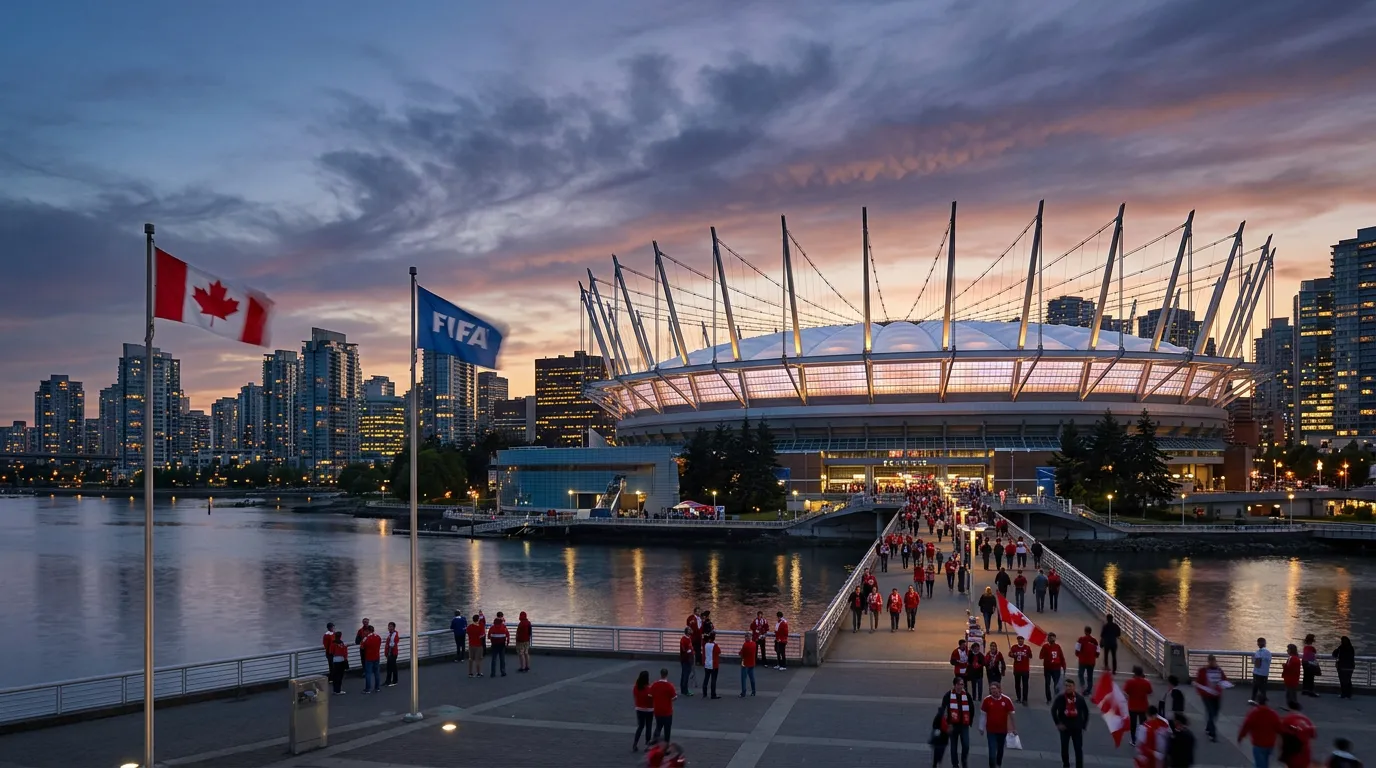
Vancouver's three-hour time difference from Toronto (Pacific vs. Eastern) affects both live betting patterns and in-person attendance. Evening kickoffs in Vancouver (6:00 PM PT) land at 9:00 PM in Toronto — late enough that Eastern Canadian bettors may be placing live wagers while West Coast fans are still in pre-match mode. This temporal split creates micro-efficiencies: live lines after 9:00 PM Eastern attract less recreational Canadian action, potentially tightening spreads.
For those traveling to matches, both cities offer distinct hospitality cultures. Toronto's downtown concentration means pre-match options cluster within walking distance of Exhibition Place, while Vancouver's stadium-adjacent False Creek area provides waterfront dining and entertainment. Neither venue is isolated in the way some international stadiums require — public transit serves both effectively, and rideshare surge pricing should remain manageable outside immediate kickoff windows. Venue-specific guides cover logistics, transit, and matchday tips for both stadiums in full detail.
BC Place hosted its first FIFA event during the 2015 Women's World Cup Final, where the United States defeated Japan 5-2 in front of 53,341 spectators. That match remains the most-watched soccer broadcast in U.S. television history.
Whether you're attending matches in person or betting from home, questions inevitably arise. Here are the most common ones I receive from Canadian fans.
Frequently Asked Questions
What odds format do Canadian sportsbooks use for World Cup betting?
Canadian sportsbooks default to decimal odds, which display the total payout per dollar wagered (e.g., 2.50 returns $2.50 on a $1 bet, including your stake). Most platforms allow users to switch between decimal, American (moneyline), and fractional formats in their account settings. Decimal odds dominate in Canada because they simplify payout calculations and align with European betting conventions. When comparing odds across sportsbooks, stick to one format to avoid conversion errors — a 2.50 decimal line equals +150 American or 3/2 fractional.
Can I bet on Canada to win the World Cup outright?
Yes, Canadian sportsbooks offer tournament-winner (outright) markets that include Canada. Pre-tournament odds typically place Canada in the 100.00-150.00 range (decimal), reflecting approximately 0.7-1% implied probability. These long-shot odds price in Canada's ceiling scenario — reaching the semifinal or beyond — rather than their median expected finish. Outright bets on Canada lock in at the posted price regardless of future odds movement, making early wagers advantageous if you believe Canada's tournament prospects improve as kickoff approaches.
How does the 48-team format affect World Cup betting strategy?
The expanded format introduces third-place qualification rules that didn't exist in previous World Cups. Eight of twelve third-place teams advance to the Round of 32, determined by points, goal difference, and FIFA tiebreakers. This changes group-stage betting dynamics significantly: teams can afford one loss and still advance, defensive strategies become more viable, and goal-line markets may trend lower as squads prioritize survival over goal-difference optimization. Sharp bettors are targeting qualification markets where bookmakers haven't fully adjusted to the new probability distributions.
What time do World Cup matches kick off in Canadian time zones?
Group-stage matches begin between 12:00 PM and 9:00 PM Eastern Time, with most kickoffs falling in afternoon or early evening slots. Vancouver and other Pacific time zone viewers see matches between 9:00 AM and 6:00 PM local time. No overnight kickoffs are scheduled, making the 2026 World Cup unusually accessible for Canadian audiences compared to tournaments hosted in Asia or the Middle East. Knockout rounds shift slightly later to accommodate prime-time European and South American broadcasts, but even the final (July 19 at MetLife Stadium) kicks off at 3:00 PM Eastern.
Is live betting available for World Cup matches in Canada?
Live (in-play) betting is available through all provincially regulated sportsbooks, though functionality varies by platform. Ontario's open-market operators generally offer the most responsive live betting — with odds updating every few seconds and a wide range of in-play propositions (next goal, corners, cards). Provincial lottery platforms like PlayNow and Mise-o-jeu provide live betting but may lag behind actual play by 30-60 seconds, affecting the prices available. For time-sensitive live wagers, verify your platform's refresh rate before the tournament begins.
Do Canadian sportsbooks offer World Cup betting bonuses?
Most Ontario operators and provincial lottery platforms run tournament-specific promotions during the World Cup. These typically include deposit matches, free bets for new customers, odds boosts on popular markets, and parlay insurance for multi-leg wagers. Bonus terms vary significantly — pay attention to wagering requirements, minimum odds thresholds, and expiration dates. A "100% deposit match up to $200" with a 10x wagering requirement means you must bet $2,000 before withdrawing bonus funds. Compare offers across licensed operators before the tournament begins, as promotional periods often have early-signup incentives.
What happens if a World Cup match goes to extra time or penalties?
Standard match betting (moneyline, spread, totals) typically settles on 90-minute results, including injury time but excluding extra time and penalty shootouts. This means a knockout match that finishes 1-1 after 90 minutes settles moneylines as a draw, even if one team later wins on penalties. Some sportsbooks offer "to advance" or "to lift the trophy" markets that include extra time and penalties in the outcome. Always verify settlement rules in your sportsbook's terms before placing knockout-round bets — the distinction between 90-minute and full-result markets confuses many first-time tournament bettors.
Your 39-Day Betting Marathon Starts Here
The 2026 World Cup arrives at a unique intersection of Canadian soccer ambition and betting market maturity. A generation ago, we watched World Cups from a distance — neutral observers with no stake in the outcome and no legal means to back our opinions with money. Now, Alphonso Davies walks onto BMO Field in a World Cup knockout match, Jonathan David slots one past a bewildered goalkeeper, and your bet slips reflect exactly how you read the moment.
This hub provides the starting coordinates. The complete betting guide walks through mechanics, bet types, and bankroll strategy for a tournament that spans 39 days and 104 matches — a marathon that punishes the unprepared. The odds breakdown tracks market pricing across outright winners, group qualifiers, and prop bets where value hides from casual bettors. The group analysis dissects every pool in the expanded 48-team format, identifying paths and pitfalls that generic coverage overlooks.
World Cup betting in Canada is no longer a niche pursuit for those willing to navigate offshore platforms and legal ambiguity. It's mainstream, regulated, and competitive — which means the edge goes to those who prepare rather than those who merely participate. The tournament kicks off June 11. The group stage wraps June 26. Knockout rounds run through July 19. Somewhere in those 39 days, the bets you place will either reflect preparation or regret its absence.
Start with Canada's Group B. Understand your provincial betting options. Study the markets that match your bankroll and risk tolerance. Then execute. The tournament rewards those who show up ready — and penalizes everyone else.
